Rescued from the jaws of death, she is now living wild


Current age
16 years old
Gender
Female
Rescued date
17 November 2010
Rescue location
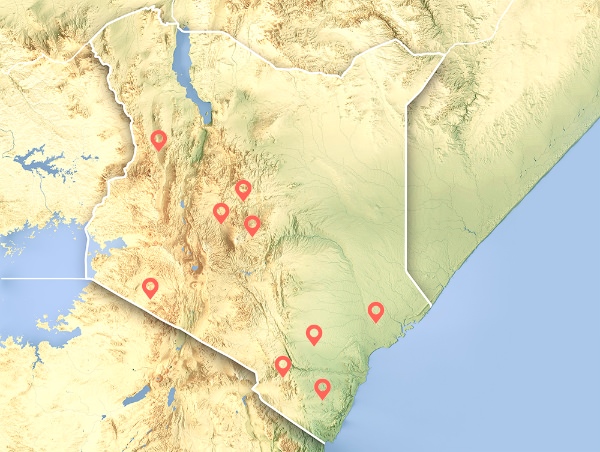
Tsavo Ecosystem, Tsavo West NP
Date of birth (estimate)
10 November 2009
Reason orphaned
Poaching
Age at rescue
12 months old (approx)
Current location
Living Wild, reintegrated in Ithumba
Ishanga’s story with us began on the afternoon of 17 November 2010. We received a call from Nicodemus, our SWT/KWS Ziwani Anti-Poaching Team leader, reporting an orphaned elephant calf. The Ziwani team operates in the southern sector of Tsavo West National Park, an area that had experienced a rise in elephant poaching at the time. We had rescued a number of orphans from the area, including Makireti, Murka, and Salaita, and now this calf. We named her Ishanga after the area where she was found.
Ishanga had clearly been without her mother for quite some time. Her condition was poor and she cut a very vulnerable figure. Young elephants need their mothers for milk but also protection, as a lone calf is defenceless against predators. Ishanga was a harrowing reminder of that fact.
As the team moved in to rescue Ishanga, a lion leapt out of the undergrowth and grabbed her by the neck. With their own lives in danger, everyone reacted quickly and a KWS ranger managed to fire shots into the air. In the fracaas, the lion released its prey.
Now the team had the dual task of rescuing an orphaned elephant — no small undertaking in and of itself — and keeping a circling pride of lions at bay. Ishanga’s neck was bleeding from bite marks and she was paralysed by fear. Working efficiently, despite how shaken they were themselves, the team loaded her into their Land Rover and drove to Maktau Airstrip. As soon as the rescue plane landed, our Keepers secured her for the flight up to Nairobi.
Ishanga’s first hours at the Nursery were fraught. Wild-eyed and terrified, she would not let anyone close. Our Keepers patiently stood by throughout the night, waiting for her to settle. Eventually, hunger trumped fear and she took both milk and water by bottle in the early morning hours.
As is so often the case with starvation victims, Ishanga soon collapsed in a shivering state. The familiar feeling of dread crept over us as we wondered if all she had endured would prove too much to overcome. But after two hours on an intravenous drip, she struggled back to her feet. She had survived another major hurdle, but her situation was still precarious. We knew we needed to help her find the all-important will to live.
That afternoon, we brought the other orphans to Ishanga’s stockade. The effect was transformative. Despite being so weak, she immediately perked up and wanted to follow them. We let her outside and, slowly, she trailed the herd into the forest. The other orphans seemed to intuit that she was weak and fragile and did not venture far.
That excursion did the trick. The next day, Ishanga tagged along as if she had always been part of the herd and even joined the midday mud bath. Lion wounds are particularly prone to infection and require regular cleaning. She trustingly allowed the Keepers to treat her neck each day.
Ishanga soon became one of the greediest babies at the Nursery. She quickly worked out the milk routine and made it her mission to be first to every feeding, quite literally climbing into the wheelbarrow carrying the bottles. The lion bites faded and her condition improved, but the psychological wounds took longer to heal. For a long time, she grappled with regular nightmares, haunted by all she had endured.
With time, her trauma subsided and Ishanga blossomed into a happy, confident little elephant. After two years at the Nursery, she graduated to our Ithumba Reintegration Unit and then springboarded into her wild life.
Ishanga’s story with us began on the afternoon of 17 November 2010. We received a call from Nicodemus, our SWT/KWS Ziwani Anti-Poaching Team leader, reporting an orphaned elephant calf. The Ziwani team operates in the southern sector of Tsavo West National Park, an area that had experienced a rise in elephant poaching at the time. We had rescued a number of orphans from the area, including Makireti, Murka, and Salaita, and now this calf. We named her Ishanga after the area where she was found.
Ishanga had clearly been without her mother for quite some time. Her condition was poor and she cut a very vulnerable figure. Young elephants need their mothers for milk but also protection, as a lone calf is defenceless against predators. Ishanga was a harrowing reminder of that fact.
As the team moved in to rescue Ishanga, a lion leapt out of the undergrowth and grabbed her by the neck. With their own lives in danger, everyone reacted quickly and a KWS ranger managed to fire shots into the air. In the fracaas, the lion released its prey.

View diary updates from across all our orphan units as written by the Keepers

On the back of unexpected early rains, we received another gift in Ithumba. On the morning of 22 February 2026, ex-orphan Ishanga returned home to introduce us to her brand-new baby girl, whom we’ve named Imp. This was a special moment for us, as Ishanga was quite literally rescued from the jaws of death.
On the back of unexpected early rains, we received another gift in Ithumba. On the morning of 22 February 2026, ex-orphan Ishanga returned home to introduce us to her brand-new baby girl, who we named Imp. In a tragic turn of events, however, Ishanga lost Imp just a few weeks later — a heartbreaking reminder of the hardships elephants sometimes face. Read more.
By adopting, you play a vital role in the life of an orphaned elephant, rhino, or giraffe — helping us provide the round-the-clock, loving attention each one needs and deserves over many years, so they can ultimately reclaim their place in the wild.
Your adoption supports the 100+ orphans in our care at any given time, covering the cost of milk and food supplies, Keepers' salaries, veterinary treatment, and other essentials.

Celebrate your adoption with a personalised certificate, ready for you or your lucky gift recipient to print and display!

Each month, we send a detailed update about our Orphans’ Project direct to your email inbox, featuring photos, stories, and special highlights.

Adopters also receive the latest from the Keepers’ Diaries, a monthly watercolour inspired by the orphans, and occasional videos from the field.